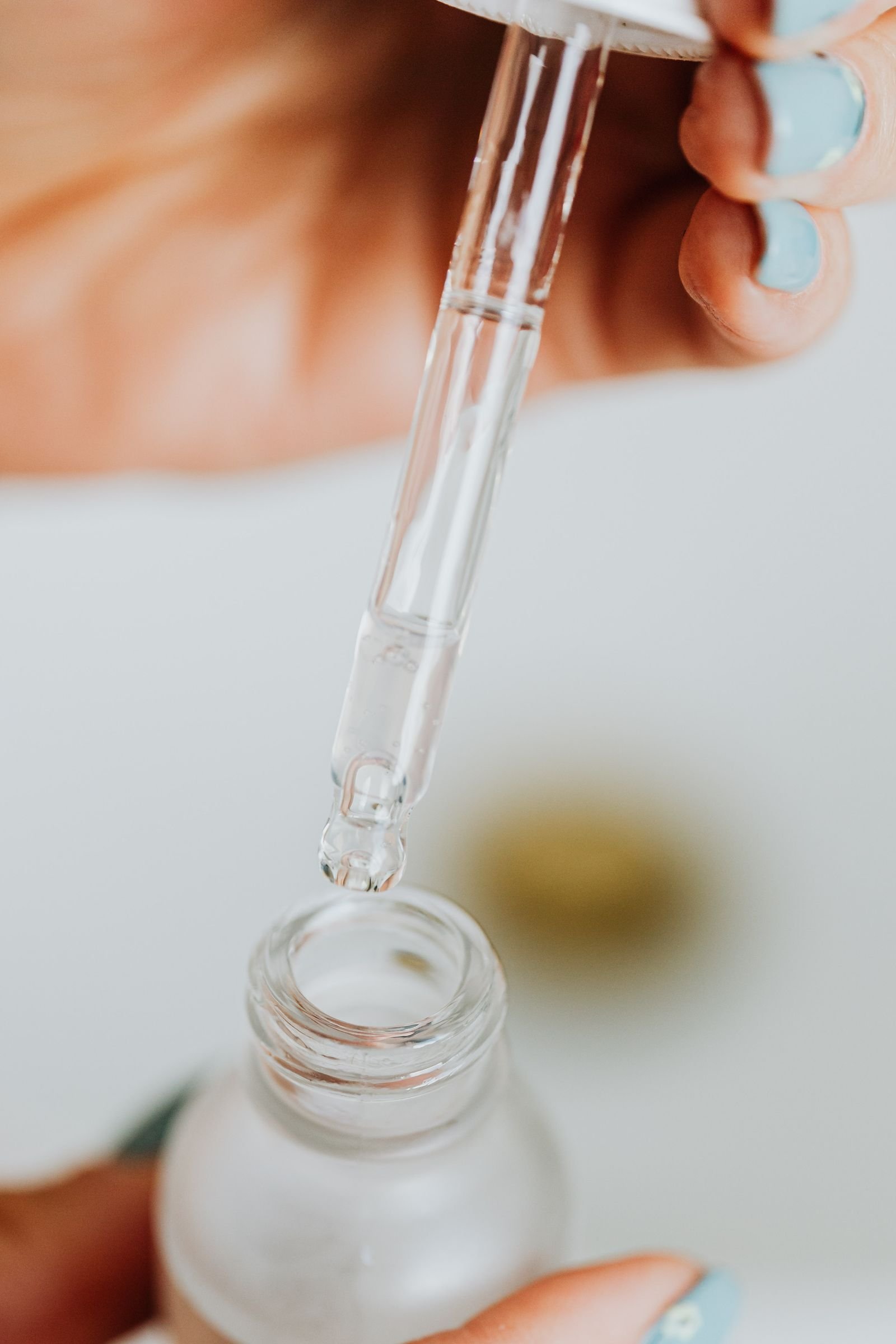
Ectoin, Polyglutamic Acid and Snow Mushroom: Winter Hydrators Worth Knowing
Winter is hard on the skin’s water reserve. Cold outdoor air holds less moisture, indoor heating dries the air further, and a leftover summer lotion can start to feel thin. That is why hydrators, the ingredients that attract or hold water in the outer skin, get so much attention at this time of year. Three names now keep appearing on labels: ectoin (spelled ectoine in most research papers), polyglutamic acid, often shortened to PGA, and snow mushroom, or Tremella fuciformis. Each has a real scientific story. None of those stories is a licence to treat a bottle as a miracle.
Why hydrators have a winter moment
The American Academy of Dermatology describes a familiar winter pattern: cold air outside, heated air inside, and dryness almost everywhere, which can disrupt the skin’s barrier. Mayo Clinic lists central heating and other indoor heat sources among the things that lower air humidity and raise the risk of dry skin. Humectants are one part of the usual response. The AAD lists glycerin and hyaluronic acid among ingredients that help dry winter skin, alongside occlusives such as petrolatum and barrier lipids such as ceramides. Newer hydrators are often sold as if they will replace those basics. The more useful question is whether they add something, and whether the evidence is clinical, laboratory-only, or still quite thin.
For a closer look at barrier lipids, see Veloraa Finds’ comparison of CeraVe, Aestura and Minimalist ceramide moisturisers. For the wider 2026 shift toward barrier-first formulas, including beta-glucan, see the 2026 skincare trends guide.
Ectoin and the evidence
Ectoine is a cyclic amino acid naturally produced by extremophile microorganisms that live in harsh conditions of salinity, drought, irradiation, pH and temperature. A 2022 systematic review in Dermatology and Therapy dates its discovery to 1985, and describes later research into hydrating and inflammation-reducing properties.
That review looked at six clinical studies of topical ectoine, with 525 recruited patients, most of them living with atopic dermatitis. The creams and emollients contained 5.5% to 7% ectoine. Across those studies, the reviewers found that the formulations positively influenced skin dryness and, with it, itch and dermatitis scores. In the atopic dermatitis research, treatment periods were typically two to four weeks, and the products were generally well tolerated for up to four weeks, including in children. In some studies, ectoine was used as an adjuvant, meaning it was added to an existing treatment plan, and that use was associated with a reduced need for other medicines. One further study in the same review followed retinoid dermatitis for up to six months.
Those findings are encouraging, and they should still be read carefully. Several of the studies were open-label, the certainty of the evidence was graded from very low to moderate, and the patients had inflammatory skin disease, not ordinary winter tightness. A cream that helped dermatitis scores in a clinic is not proof that the same percentage will transform every dry face in a heated room.
Laboratory work helps explain the interest, without turning a bench finding into a facial promise. A 2021 study in Biochemistry and Biophysics Reports on human stratum corneum, including lipid-extracted samples, found that ectoine improved the dispersity and hydration of keratin bundles in corneocytes and slowed the rate at which mechanical stress built up in dried, lipid-extracted skin. The paper’s figures of about 30% and 20% describe those laboratory stress rates in extracted tissue, not a 30% boost in everyday facial hydration.
Polyglutamic acid, and how it differs from hyaluronic acid
Poly-γ-glutamic acid is a large, water-soluble polymer made of glutamic acid units. A 2025 paper in International Journal of Molecular Sciences notes that it is well known as the mucous substance in the Japanese food natto, and is produced by several Bacillus species, including B. subtilis. Hyaluronic acid is a different molecule, a glycosaminoglycan, and is already one of the humectants the AAD lists for dry skin. Marketing copy sometimes says PGA “holds more water than hyaluronic acid.” That comparison is not used here, because it was not demonstrated as a clinical fact in the papers checked for this article.
In the 2025 study, researchers tested high-molecular-weight γ-PGA in keratinocytes and in a reconstructed skin model. In the cell work, treatment increased the expression of several barrier-related markers, including filaggrin and involucrin, and raised signals linked to hyaluronic acid synthesis and aquaporin 3, a protein involved in skin hydration. In the reconstructed skin model, a topical 1% γ-PGA preparation elevated filaggrin, involucrin, CD44 and aquaporin 3 compared with a control, and the horny layer was thicker. The authors themselves flag a significant limitation: there were no in-vivo human data in that study to confirm the laboratory findings on living skin. PGA is a plausible hydrator with laboratory and model-skin evidence. It is not, on that record, a proven upgrade on hyaluronic acid for every person in winter.
Snow mushroom, a traditional hydrator with thinner clinical evidence
Snow mushroom, Tremella fuciformis, also called snow ear or white fungus, has a long history in East Asian food and herbal practice. A 2023 review in Archives of Dermatological Research notes that its main polysaccharide extracts have been studied for possible roles in skin anti-ageing, photoprotection, wound healing and barrier protection. The same review is clear about the gap: most of that work has been limited to laboratory and animal models, and future clinical research is still needed. The traditional use is real, and the polysaccharides appear in cosmetics as moisturising additives. That is not the same as a large clinical trial showing that a serum outperforms hyaluronic acid on human faces.
How these sit next to ceramides and glycerin
A winter routine does not have to choose a single fashionable hydrator. Glycerin remains one of the most straightforward humectants in dermatologist guidance, and ceramides help replace lipids in the outer layer. Hyaluronic acid is still a standard water-binding ingredient. Ectoin, PGA and snow mushroom can sit in the same routine as additions, not as replacements, when a formula is well tolerated. The AAD generally favours a cream or ointment over a thin lotion on dry winter skin, and recommends putting moisturiser on while the skin is slightly damp. For how new launches tend to talk about barrier care, see Veloraa Finds’ look at 2026 skincare launches and how to read the hype.
What labels do not prove
An ingredient on a label is not a dose, a study, or a result. A bottle can mention ectoin without using the 5.5% to 7% range discussed in the dermatitis review. It can mention polyglutamic acid without matching the 1% preparation used on the reconstructed skin model. It can mention snow mushroom without any clinical data behind that particular formula.
Fragrance, essential oils and harsh surfactants can still irritate dry or reactive skin, even when a trendy hydrator is listed first. The AAD recommends fragrance-free products for easily irritated skin, and notes that “unscented” is not the same claim. Patch-testing a new product, and introducing only one change at a time, remains more useful than collecting every new name at once. Anyone with eczema, a damaged barrier, or a rash that is not settling should see a dermatologist rather than layering on another serum.
FAQ
Is ectoin the same as ectoine?
Yes. Ectoin is the spelling often used on cosmetic labels. Research papers more often use ectoine. They refer to the same cyclic amino acid produced by extremophile microorganisms.
Does ectoin treat eczema?
A 2022 systematic review of six studies found that topical 5.5% to 7% ectoine improved dryness and itch scores in people with atopic dermatitis, and was generally well tolerated for up to four weeks. Several studies used it as an adjuvant, not as a stand-alone cure. It is not a substitute for medical care.
Is polyglutamic acid better than hyaluronic acid?
Not on the evidence reviewed here. They are different molecules. Hyaluronic acid is a well-established humectant in dermatologist guidance. PGA has promising laboratory and reconstructed-skin data, including a topical 1% model-skin study, but that paper did not include in-vivo human results.
Is snow mushroom a proven hyaluronic acid alternative?
No. It has a long traditional use, and reviews describe moisturising and barrier-related research, mostly in laboratory and animal models. Clinical evidence in people is still limited, so it should not be sold, or bought, as a proven upgrade on hyaluronic acid.
Sources
- American Academy of Dermatology: Your winter skin survival kit
- American Academy of Dermatology: How to pick the right moisturizer
- Mayo Clinic: Dry skin, symptoms and causes
- Kauth and Trusova, 2022. Topical ectoine in inflammatory, barrier-impaired skin: a systematic review. Dermatology and Therapy. PMC8850511
- Bow, Nomoto, et al., 2021. Ectoine disperses keratin and alters hydration kinetics in stratum corneum. Biochemistry and Biophysics Reports. PMC8455723
- Ko, Lee, et al., 2025. Poly-γ-glutamic acid: skin-barrier markers in keratinocytes and a reconstructed skin model. International Journal of Molecular Sciences. PMC11817278
- Mineroff and Jagdeo, 2023. The potential cutaneous benefits of Tremella fuciformis. Archives of Dermatological Research. PMID 36757441
- Veloraa Finds: Three ceramide moisturisers compared
- Veloraa Finds: Barrier-first skincare trends in 2026
- Veloraa Finds: 2026 skincare launches, and how to read the hype