Skin Prep Before a Wedding or Big Event: A Calm Timeline
A wedding, or any event that will be photographed all day, often arrives as a stretch rather than a single date: fittings, travel, outdoor portraits, late nights, heavier makeup, and, in the colder months, drier air than the skin had in early autumn. The temptation is to fix everything in the last week. The more careful dermatology advice says the opposite.
The useful work happens months ahead, in small, repeatable steps. The final days are for protecting that work, not reinventing it. This timeline draws on hospital and dermatology guidance, including a University of Rochester Medicine briefing published in August 2025. It is general information, not a treatment plan. Anyone dealing with acne, pigmentation or a skin condition should see a dermatologist early enough for a plan to run its course.
Start six to twelve months out, if there is time
University of Rochester Medicine’s pre-wedding skincare guide is clear about timing. The routine needs a chance to settle, and treatments need time to show their best results. The ideal window is six to twelve months before the day. Even three months can still bring visible improvements, and an earlier start simply leaves more room to adjust.
That window matters most when the concerns are slower to change, such as acne, uneven tone or texture. The same guide notes that sensitive or acne-prone skin can take extra time, and that a board-certified dermatologist can tailor the plan, including prescription options if they are needed. This is also the right time to introduce a new active slowly, if a clinician recommends one, rather than leaving that experiment for the final weeks.
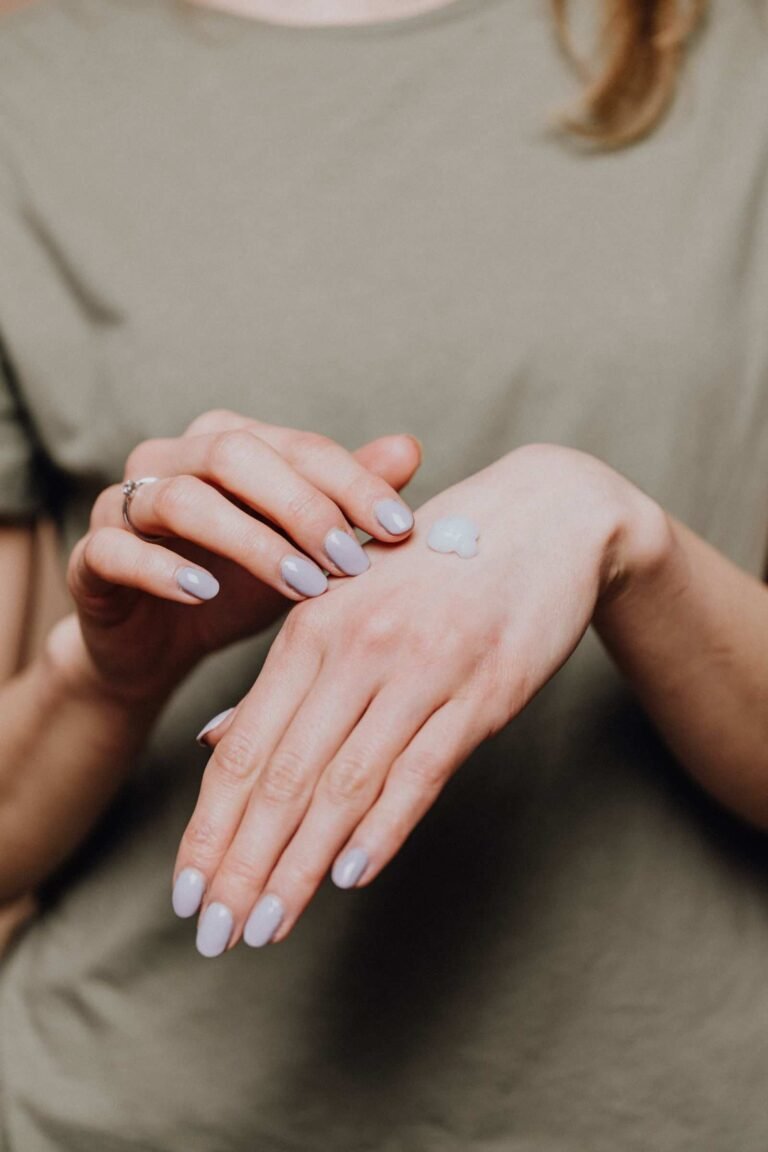
The everyday base can stay simple. University of Rochester Medicine describes a solid daily pattern as a gentle cleanse, a moisturiser that suits the skin, and a broad-spectrum sunscreen with SPF 30 or higher. Antioxidant serums and retinoids, if they are going to be used at all, belong in this early window, started at a low strength and introduced slowly. For events that fall in winter, the moisturiser will often need to be richer than the one used in early autumn. Veloraa Finds’ comparison of three ceramide creams is a practical place to start if the current cream is leaving the face tight by midday.
Treatments need a calendar, not a countdown
This is also when professional treatments should be planned, if they are appropriate at all. University of Rochester Medicine is blunt about first-time injectables: botulinum toxin and fillers should not be a last-minute experiment. The guidance is to allow three to six months so the skin has time to settle and any adjustments can be made. For chemical peels or laser treatments, the same briefing points to a series of monthly sessions over four to six months for gradual changes in texture, pigmentation, acne marks or redness. Healing times vary, and many laser treatments are not advised on recently tanned skin, so sun and travel need to be part of the plan.
The American Academy of Dermatology’s chemical-peel guidance explains why the last session should not sit in the days immediately before photographs. Even a light “lunchtime” peel can leave the skin red for one to seven days, with scaling that may last another three to seven days. A series of three to five light peels, spaced two to five weeks apart, is often needed for the result someone is hoping for. Medium peels can take one to two weeks to heal. Recovery time belongs on the calendar before the outfit does.
A makeup trial a few weeks before the event is useful for a more practical reason: it shows how a base behaves on that skin, in the actual lighting, rather than leaving the first test for the morning of the day.
The final month: hydration, not experiments
Once a routine is settled, the last month is for protecting it. University of Rochester Medicine’s advice is to stay with what is already working, rather than chasing every trend. The AAD’s patch-test window, and the healing times listed for even a light peel, are why a strong new active, a first-time peel, or a facial the skin has never had is a poor fit this close to the photographs. Barrier support and hydration do more for camera-ready skin than a last attempt to change its character. For a clear-eyed look at the barrier-first formulas getting attention in 2026, including beta-glucan, see the earlier trends piece on Veloraa Finds.
If a retinol or an exfoliating acid is already well tolerated, a dermatologist may keep it on a reduced winter schedule. That is different from opening a new bottle for a quicker glow. For how to ease actives when the air is dry, see Veloraa Finds’ winter skincare routine for dry skin (add this link once that article is live).
The final week: leave the skin alone
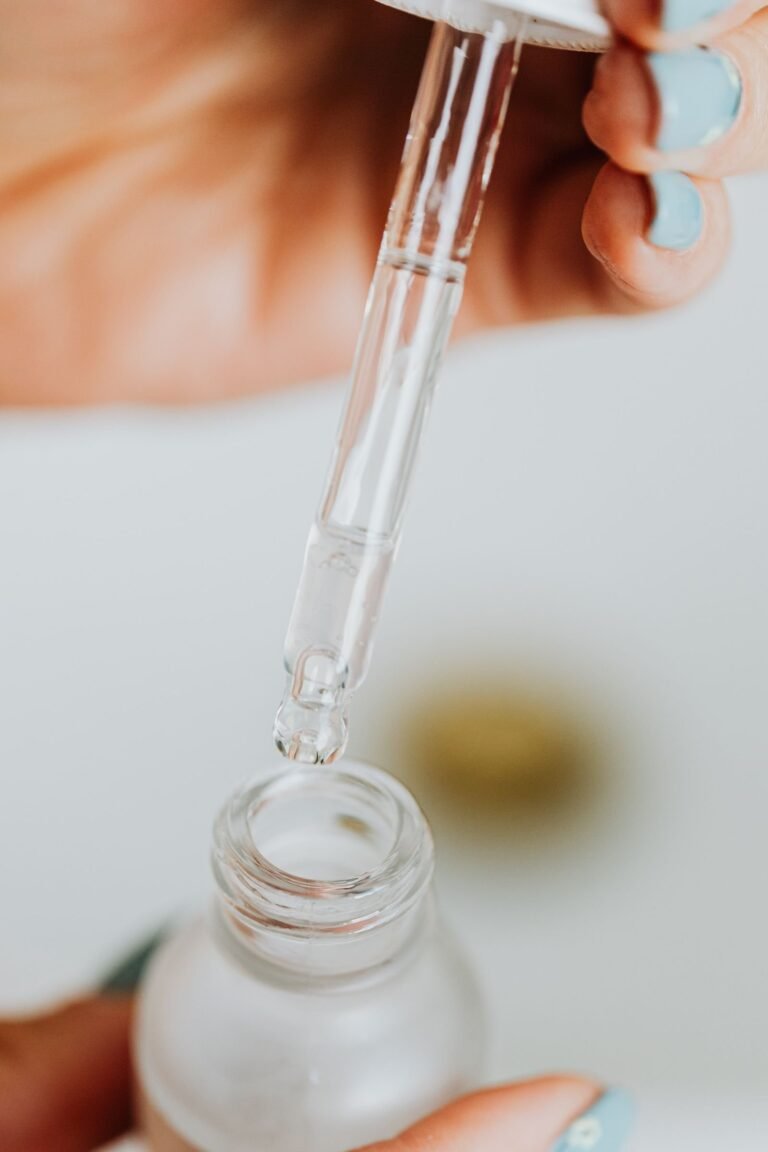
New products are a poor fit for the last days before an event, and the reason is simple. The American Academy of Dermatology recommends patch-testing a new skincare product twice a day for seven to ten days, on a small area such as the underside of the arm. A product that needs a week to prove itself has no place on the face a few days before photographs.
Last-minute facials have a similar problem. Many involve exfoliation, extraction or steam, which can leave skin red or congested afterwards. The AAD’s peel figures give a sourced sense of how long visible settling can last: even a light chemical peel can still be red for up to a week, with scaling for several days more. Booked a week or more ahead, and only if the skin already knows the treatment, that dip can pass before the photographs. The same caution applies to peels and to strong new actives.
What the last few days can include is almost boring, and that is the point:
- Pause retinol, glycolic acid and salicylic acid, unless a dermatologist has set a different plan.
- Return to a gentle cleanser, a simple moisturiser and sunscreen.
- Do not pick or squeeze.
- Remove every trace of makeup before bed, even when the event ends late.
- On the morning of the event, cleanse gently, apply a familiar moisturiser, give it a little time to absorb, and only then start makeup.
Outdoor events, winter air and last-minute traps
Outdoor portraits and travel between venues are common in any season, and they do not pause in winter. The AAD is clear that sunscreen still belongs in the morning routine, even in cold weather, and that a broad-spectrum SPF 30 or higher is the usual recommendation, with reapplication during longer periods outside. After a long day, makeup should come off rather than sleep on the skin. For why winter UV still matters, see the winter sunscreen guide on Veloraa Finds.
Drier air can also make a light summer moisturiser feel inadequate under makeup. Use a richer, already tolerated cream, not a new one bought for the occasion. A sudden blemish is not a reason to improvise with an untested product, or to pick at it, which can leave a more noticeable mark.
The through-line in the better advice is consistency. Start early enough to be boring. Keep the last week familiar. Let makeup be the final touch, not the cover-up for a barrier that was stripped the night before.
FAQ
When should skincare for a wedding or big event actually start?
Six to twelve months before the date is the window University of Rochester Medicine recommends as ideal. The same guide notes that even three months can still bring visible improvements, especially if the plan stays simple and consistent.
Is a facial the day before the event a good idea?
Usually not, if the facial involves exfoliation, extractions or steam. The American Academy of Dermatology notes that even a light chemical peel can leave skin red for one to seven days, with scaling that may last several days more. A familiar, gentle treatment booked a week or more ahead is the safer option.
Should new serums be added in the last week for extra glow?
No. The AAD’s patch-test guidance is to test a new product twice a day for seven to ten days on a small area first. The final month is also the wrong time to introduce a strong new active or a peel the skin has not already tolerated.
Does winter change the plan for outdoor events?
The steps stay the same, but texture and sunscreen matter more. Drier air can make a light summer moisturiser feel inadequate, and daytime ceremonies or portraits still involve UV exposure. Use a richer, well-tolerated cream, a broad-spectrum SPF 30 or higher, and remove makeup at night.
Sources
- University of Rochester Medicine, 8 August 2025: Pre-wedding skincare prep, from the Cosmetic Dermatology team
- American Academy of Dermatology: How to test skin care products
- American Academy of Dermatology: Chemical peels, FAQs and healing times
- American Academy of Dermatology: Why you need sun protection in the winter
- Veloraa Finds: Three ceramide moisturisers compared
- Veloraa Finds: Barrier-first skincare trends in 2026
- Veloraa Finds: Why sunscreen still matters in winter
- Veloraa Finds: Winter skincare routine for dry skin (add this link when that post is published)